
Choosing between a Missouri online school and a traditional school is about finding the right environment for your student to succeed. While both have their strengths, many Missouri families are discovering that online elementary school, online middle school, and online high school programs can offer the comfort, safety, and personalized learning experience their child needs to thrive.
Advantages of Online Schools in Missouri
One of the greatest advantages of a Missouri online school is the ability to receive a high-quality, tuition-free education from the comfort and safety of home. Students connect daily with Missouri-certified teachers and follow a rigorous, state-approved curriculum, just without the crowded classrooms or distractions.
Personalization is another key benefit. Online students can build schedules around their unique needs. For some, that means training for competitive sports, pursuing music or art, helping with family responsibilities, managing health challenges, or simply working at their own pace.
Online learning also allows for highly personalized education plans. Teachers tailor instruction to match each student’s strengths, challenges, and goals. This approach ensures that students get the right level of support to succeed academically and personally.
Families can see exactly what to expect and how classes are structured by exploring how online learning works.
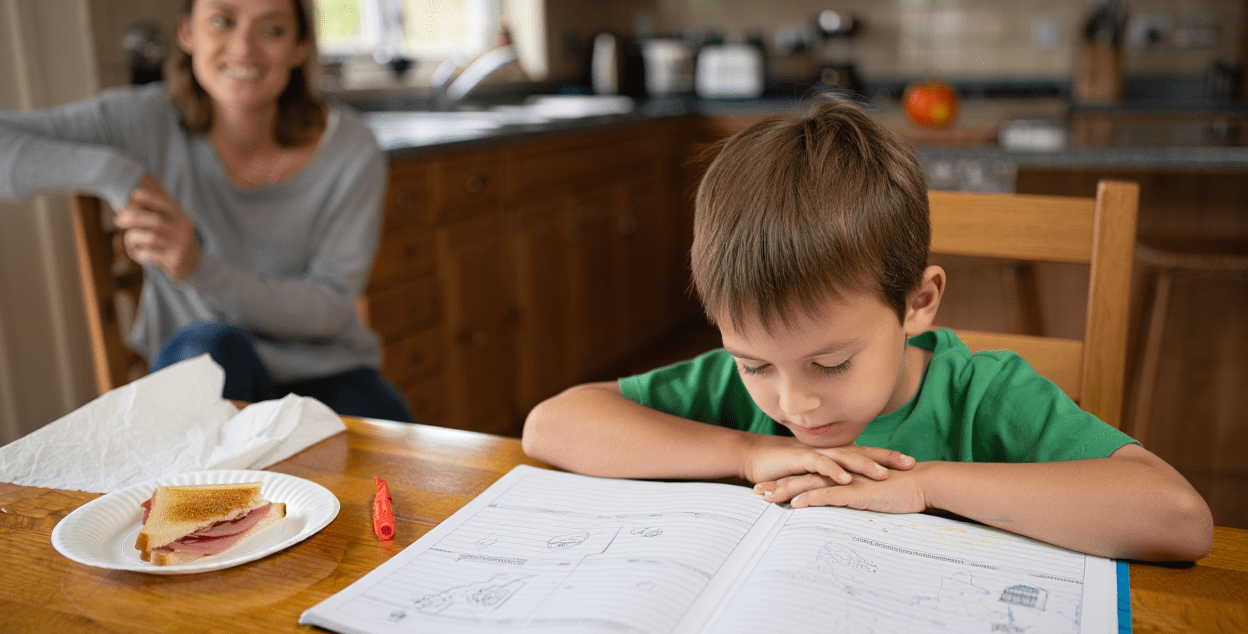
Advantages of Traditional Schools
Traditional schools in Missouri offer daily, in-person interaction that helps students develop social skills and build lasting friendships. Being in a physical classroom creates opportunities for spontaneous conversations, group collaboration, and a shared sense of community.
On-campus facilities are another unique advantage. Students have access to science labs, art studios, sports fields, and gymnasiums that allow for hands-on learning and extracurricular participation. Many schools also offer a wide variety of activities such as marching band, theater productions, student government, and athletic teams that meet and practice in person.
The consistent structure of a traditional school can also be beneficial. With fixed schedules, teacher-led instruction, and predictable routines, students have a stable learning environment that keeps them on track. For learners who thrive with clear boundaries and daily face-to-face engagement, the traditional setting can be an excellent fit.
Challenges in Online and Traditional Learning
Both online and traditional schools present unique challenges for Missouri families to consider.
In an online setting, students may occasionally face technology issues such as slow internet speeds or device malfunctions. Since social interaction is not built into the daily school environment, it requires more intentional participation in virtual clubs, group projects, or local meet-ups organized by the school. Online learning also calls for strong self-discipline and time-management skills to stay on track with assignments.
Traditional schools have their own set of challenges. While in-person interaction can be positive, it can also introduce the potential for bullying, peer pressure, and classroom distractions. The fixed daily schedule may not work well for students with health needs, unique learning styles, or heavy extracurricular commitments. In addition, commuting to and from school each day can add stress for families and take time away from other activities.
Recognizing these challenges is the first step in deciding which learning environment will best support your child’s success.
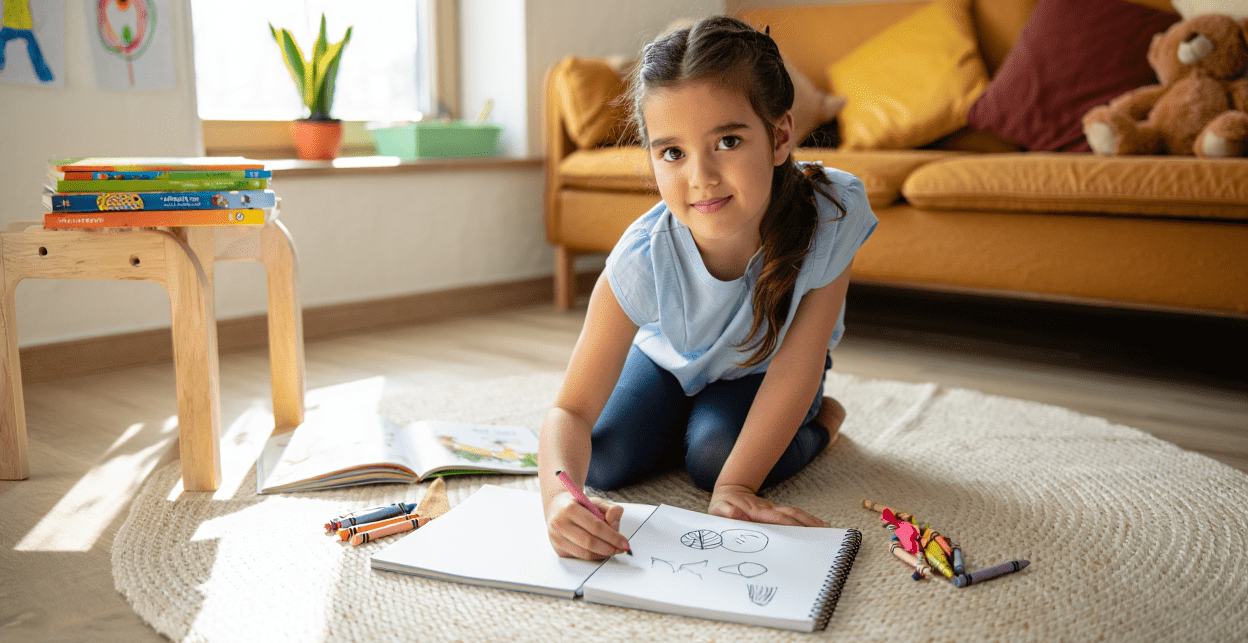
Making the Right Choice
The right learning environment for your child depends on their individual needs, personality, and long-term goals. Some children thrive in the structured, social atmosphere of a traditional school, while others excel when given the flexibility and personalized attention of an online program.
If your student is struggling with low grades, facing bullying, missing too many days, or finding it hard to focus in a busy classroom, a Missouri online school could be the answer. Learning from home provides a safe, supportive setting where students can focus on academics and personal growth without unnecessary distractions.
Before making a decision, consider your student’s academic strengths, extracurricular interests, and overall well-being. For many Missouri families, Missouri Virtual Preparatory Academy offers the perfect balance of flexibility, personalization, and academic quality. You can explore your options by visiting the Missouri Virtual Prep admissions page.
Frequently Asked Questions
Parents often have important questions when deciding between a Missouri online school and a traditional school. Here are answers to the most common questions to help you make an informed decision for your child.
What are the main benefits of online schools?
Online schools offer flexibility, a safe learning environment, and personalized instruction, all tuition-free for Missouri families through Missouri Virtual Preparatory Academy.
How does traditional schooling differ from online schooling in terms of interaction?
Traditional schooling provides daily, in-person interaction, while online schooling offers virtual clubs, group projects, and optional local meet-ups for social engagement.
Is online schooling more cost-effective than traditional schooling?
Yes, families save on transportation, uniforms, and other in-person costs while receiving a tuition-free public education.
How does flexibility vary between online and traditional schools?
Online schools let students set schedules that fit their lives, while traditional schools follow a fixed daily schedule that may not accommodate all students.
What factors should I consider when choosing between online and traditional school?
Consider your child’s learning style, academic goals, extracurricular needs, and any challenges they’re facing in their current setting, such as low grades or bullying.